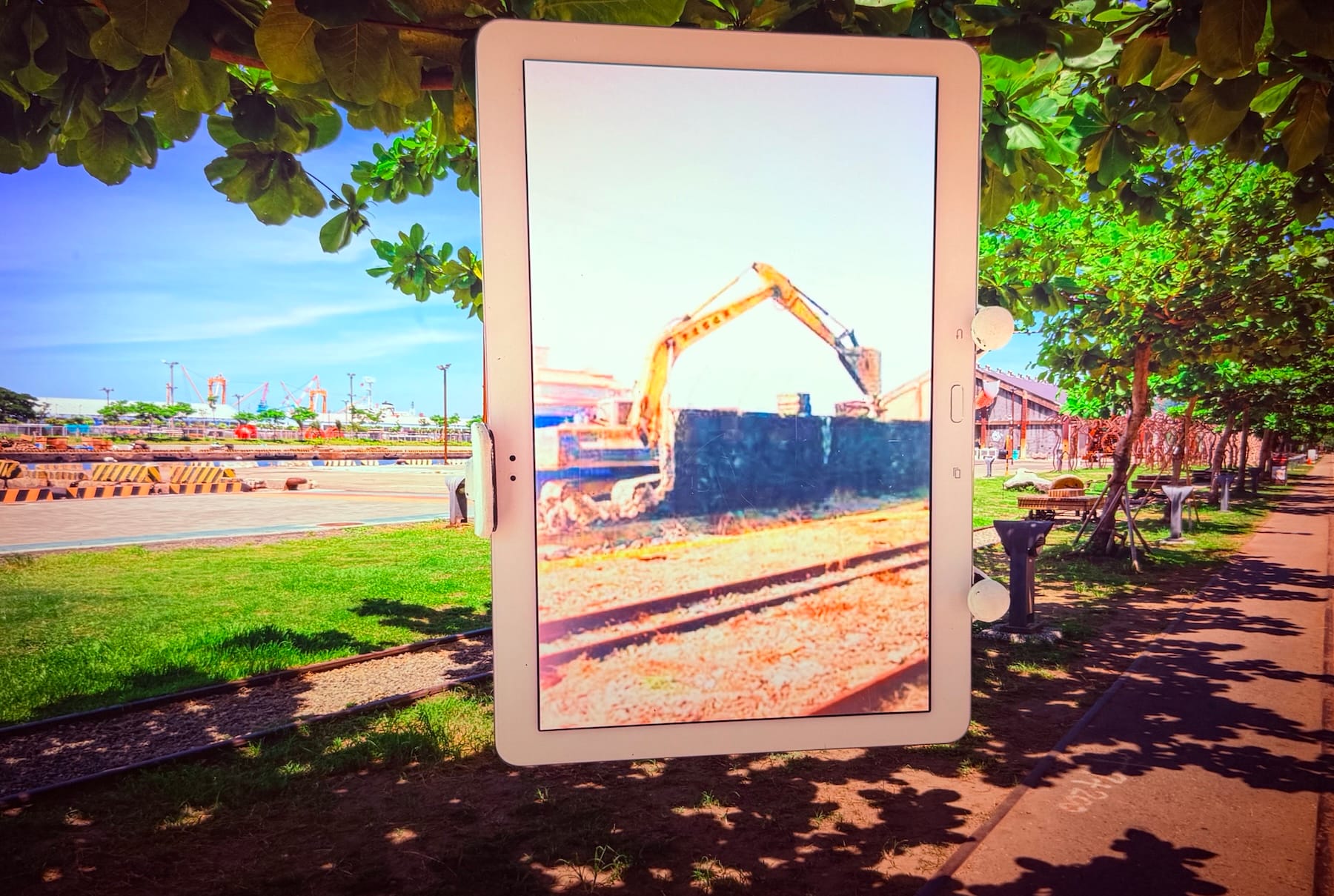


Mei-hsi Wu tells me, almost as an aside, that she grew up in this city in southern Taiwan and never once saw its harbour as a child.
We are standing in Pier-2 Art Center, a sprawl of 27 former sugar and starch warehouses on Kaohsiung's waterfront, and the water is right there. This isn't a woman who grew up inland, in some landlocked township with no view of the sea. She grew up here, in a port city built almost entirely around its harbour's economic muscle, and the harbour itself was as inaccessible to her as if it had been a hundred miles away. "That area was controlled by the army and the government," she says, matter-of-factly, the way you'd describe a rule you'd simply absorbed as a child and never questioned. "So the water was very far from our daily life."
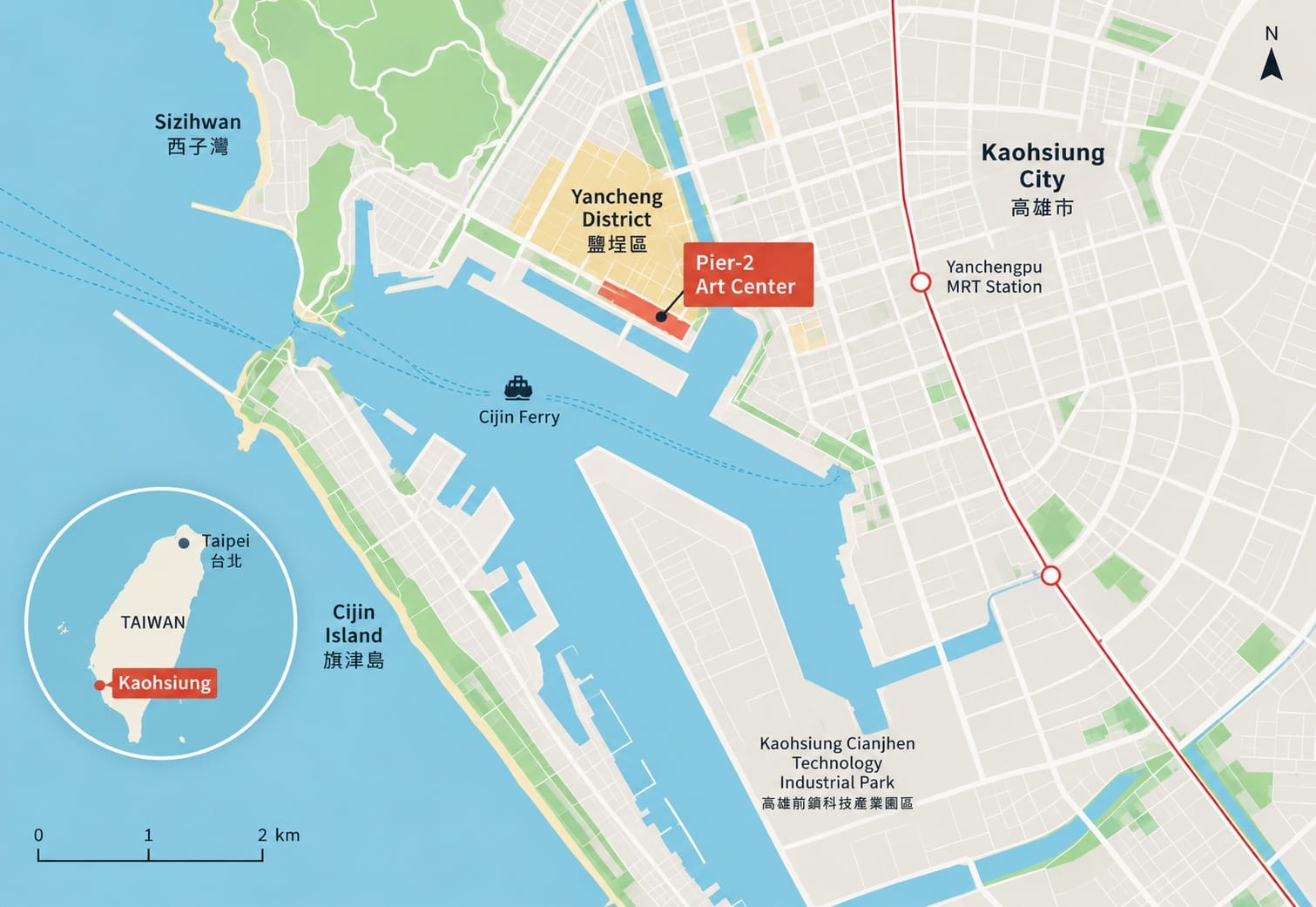
I've come to Taiwan chasing a single question — what makes a place feel like it belongs to the people who use it? I did not expect the clearest answer I'd find to be a story about a wall. Not a metaphorical one, at least not at first. An actual wall, concrete and military-grade, that ran for decades along Kaohsiung's harbour front and cut an entire generation of the city's own residents off from the water that made their city what it was.